Mileage, Age, or Condition: What Matters Most?
Buying a fairly used item can feel like a balancing act. Someone says, “Check the mileage first.” Another insists, “Age is what really matters.” Then there’s the school of thought that says, “Forget all that — condition is king.”
So which one actually matters most when you’re shopping second-hand?
At SellOff.ng, where Nigerians buy and sell quality fairly used items every day, this question comes up a lot — especially for cars, electronics, appliances, and gadgets. The truth is: all three matter, but not equally, and not in the same way for every item.
Let’s break it down so you can shop smarter, avoid regrets, and get real value for your money.
Understanding the Big Three: Mileage, Age, and Condition
Before deciding what matters most, it helps to understand what each factor really tells you — and what it doesn’t.
Mileage: Usage Tells a Story
Mileage refers to how much an item has been used. It’s most commonly discussed with cars, motorcycles, and machines, but the concept applies broadly — usage hours, cycles, or intensity of use.
High mileage often suggests:
● More wear and tear
● Parts that may need replacement sooner
● Greater likelihood of maintenance issues
Low mileage, on the other hand, can signal:
● Less frequent use
● Potentially longer remaining lifespan
But mileage alone can be misleading. A high-mileage car that was well maintained can outperform a low-mileage one that was neglected. The same goes for electronics and appliances.
Age: Time Leaves Its Mark
Age tells you how long an item has existed, regardless of how often it was used.
Older items may have:
● Outdated technology
● Parts that are harder to replace
● Natural material degradation (rubber, batteries, wiring)
Newer items usually benefit from:
● Improved features and efficiency
● Better compatibility with current systems
● Longer support windows
That said, age without context doesn’t tell the full story. An item can be old but barely used — or new and already worn out.
Condition: The Real Deal-Breaker
Condition reflects the current state of the item — how it looks, works, and performs right now.
Good condition means:
● Minimal physical damage
● Everything works as expected
● Signs of proper care and maintenance
Poor condition shows up as:
● Visible wear, cracks, dents, or rust
● Functional issues
● Signs of neglect
Condition is often the most honest indicator of value — because it reflects both usage and care.
So… Which One Matters Most?
Here’s the short truth: Condition matters most — but only when weighed alongside mileage and age.
Let’s explore how this plays out across common second-hand categories on SellOff.ng.
Cars and Vehicles: Condition First, Mileage Second, Age Third
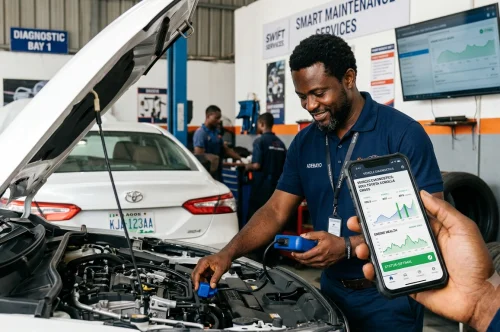
When it comes to vehicles, many buyers obsess over mileage — and understandably so. But mileage without maintenance history or current condition can be a trap.
What to prioritize:
- Condition – engine health, suspension, brakes, transmission
- Mileage – helps estimate future maintenance needs
- Age – impacts tech features and resale value
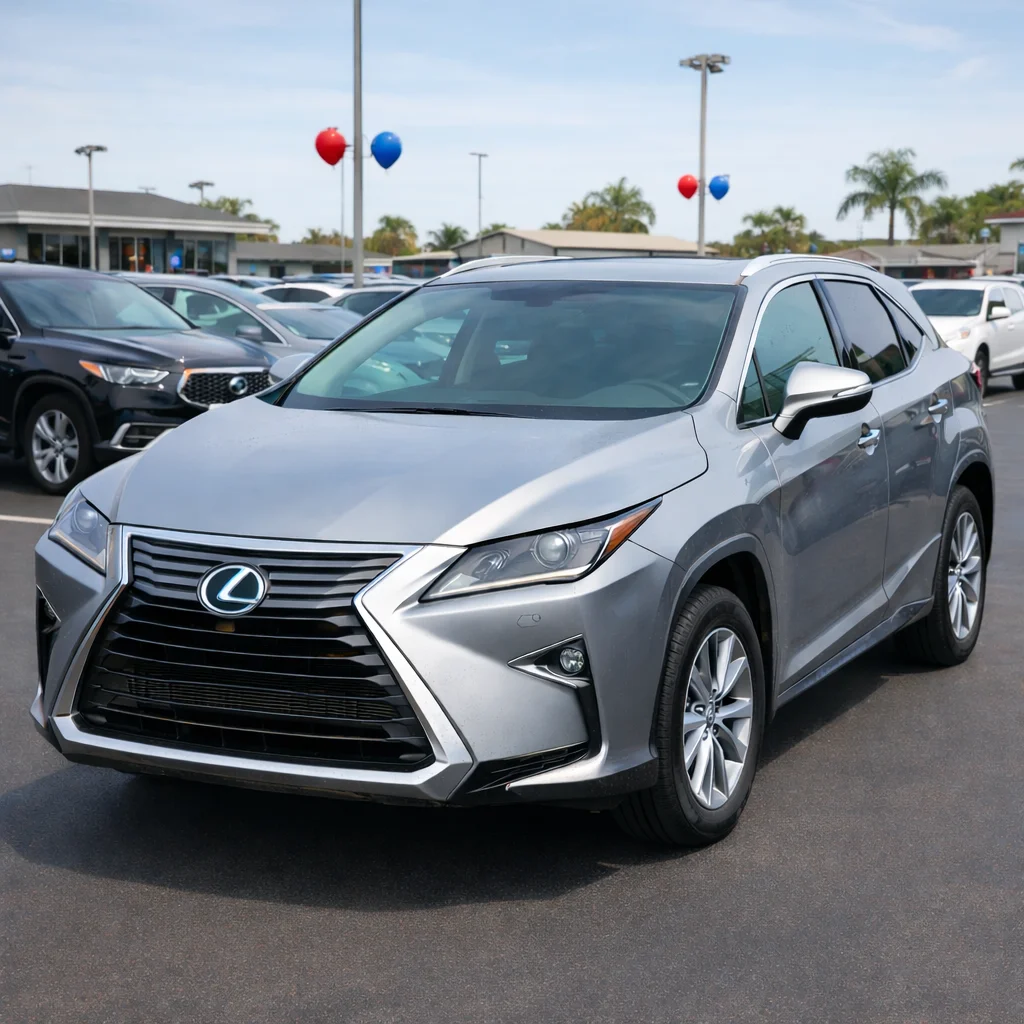
A well-maintained 10-year-old car with higher mileage can be a better buy than a 5-year-old car that’s been abused. On SellOff.ng, listings often include detailed descriptions and photos so buyers can assess condition before making contact.
? Looking for fairly used cars you can trust?
Browse verified vehicle listings on SellOff.ng and connect directly with genuine sellers