
Smart Maintenance: Using Your Car’s Data to Save Money
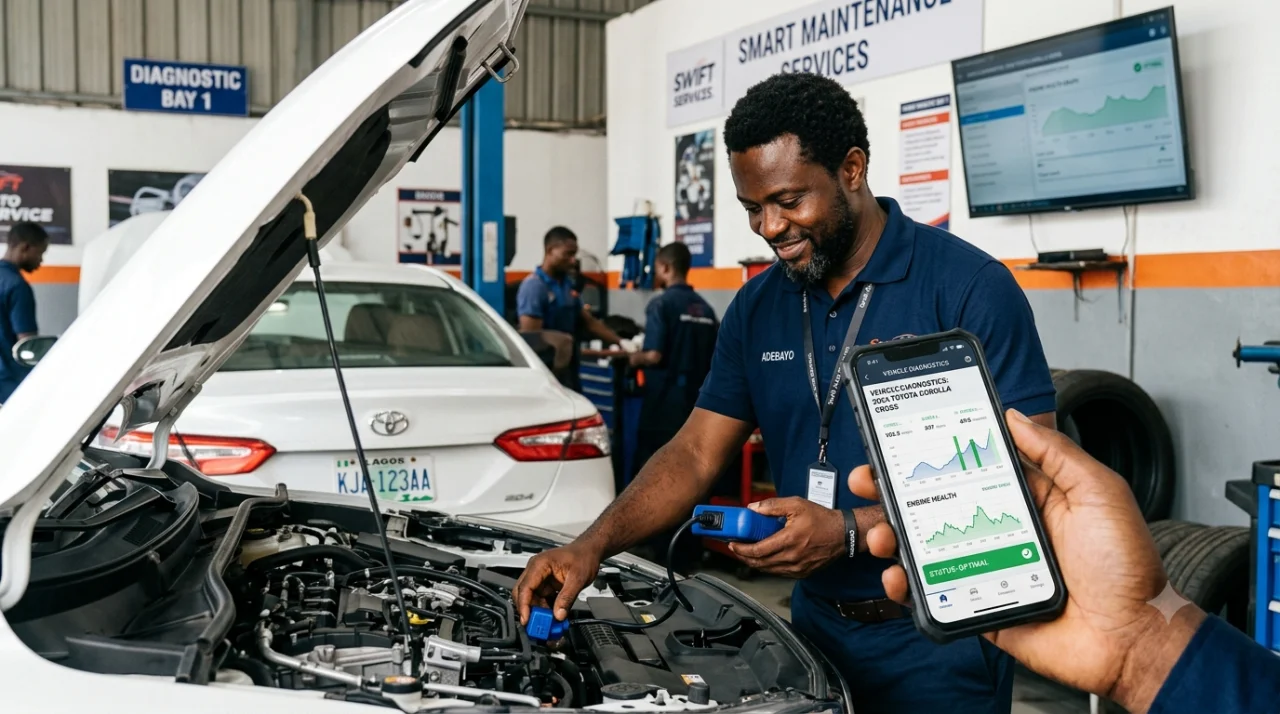
In the past, car maintenance was a guessing game. You relied on a sticker in your windshield for your next oil change, or you waited for an unsettling noise to appear before heading to the mechanic. But as we move further into 2026, the automotive landscape has undergone a radical transformation. Today’s vehicles are essentially "rolling computers," equipped with complex networks of sensors and software designed to monitor every aspect of your car’s performance.
This technological leap has given rise to Smart Maintenance. By leveraging the data your vehicle is already generating, you can move away from costly reactive repairs and shift toward a proactive, data-driven approach that saves you money, extends your car’s lifespan, and ensures you aren't paying for repairs you don’t need.
From Mechanical Machines to Data-Driven Systems
Modern vehicles continuously analyze their own performance. Sensors track everything from tire pressure and oil temperature to throttle response and battery health. This information is processed by the vehicle's onboard computer, which can now communicate directly with manufacturers or your smartphone.
Instead of waiting for a "check engine" light to signal a catastrophic failure, you can now access real-time insights into your car’s health. This shift is the foundation of smart maintenance: using data to make informed decisions rather than relying on manual, "one-size-fits-all" service intervals.
The Financial Benefits of Data-Backed Care
Why should you care about your car's data? The answer is simple: efficiency equals savings.
1. Stopping Problems Before They Escalate
The most significant cost-saver in smart maintenance is early detection. A faulty sensor might cost less than $100 to replace today. If left ignored, that same small issue can cause an engine to run inefficiently, eventually leading to a damaged catalytic converter or complete engine failure—repairs that can easily climb into the thousands. By catching these issues through diagnostic alerts, you avoid the "domino effect" of component failure.
2. Eliminating Unnecessary Repairs
How often have you taken your car in for a "general inspection" and ended up with a list of "recommended" repairs that you weren't sure were necessary? Modern diagnostics act as a translator. By retrieving specific diagnostic trouble codes (DTCs), you get a clear, data-backed direction for repairs. This eliminates the "guesswork" that often leads to mechanics replacing perfectly functional parts, saving you both labor costs and unnecessary hardware expenses.
3. Improving Fuel Economy
A vehicle operating at peak efficiency uses significantly less fuel. Data monitoring can identify subtle issues—like a slightly clogged air filter, a misfiring cylinder, or an oxygen sensor that isn't performing correctly—that you might never notice while driving. Addressing these minor performance drains can improve your fuel economy by as much as 10–15%, which adds up to substantial savings over the lifetime of your vehicle.
How to Leverage Your Vehicle’s Data
You don’t need to be a data scientist to benefit from smart maintenance. Here is how you can start using your car's data today:
Monitor Your Vehicle Health Report (VHR)
Many modern vehicles provide a mobile app or an in-dash dashboard that generates a Vehicle Health Report (VHR). Make it a habit to check this monthly. These reports often highlight upcoming service needs, battery health, and tire pressure status. By staying ahead of these notifications, you can schedule maintenance during off-peak times, avoiding the rush and potentially securing better service rates.
Don’t Ignore the "Early Warning" Signs
While your car may not have a total system failure yet, it will often communicate distress through:
-
Subtle Changes in Performance: A slight drop in fuel efficiency or a minor hesitation during acceleration.
-
Electronic Alerts: Even if the "check engine" light isn't flashing, check your onboard diagnostic interface for "pending codes."
-
Inconsistent Behavior: If your battery takes a second longer to start the car than usual, or if your infotainment system glitches, these can be early indicators of voltage issues in the electrical system.
Invest in Professional Diagnostics
While DIY OBD-II scanners are available, they often provide only basic information. For deeper insights, schedule an annual professional diagnostic scan. A technician using advanced equipment can perform bi-directional tests and view live data streams that identify intermittent issues—the kind that disappear when you reach the shop but cause headaches on the road.
The Future: Predictive Maintenance
As we look toward the end of 2026, the industry is moving toward "Predictive Maintenance 2.0." In this model, your vehicle doesn't just tell you something is wrong—it predicts when a part is likely to fail before it actually happens. AI-driven platforms can now analyze your driving patterns, load conditions, and historical data to tell you, for example, that your brake pads will need replacing in exactly 1,500 miles.
By adopting a smart maintenance mindset now, you are future-proofing your vehicle ownership. You are no longer just a driver; you are a manager of an intelligent system.
Take Control of Your Vehicle’s Health
Smart maintenance isn't just about fixing broken parts; it's about optimizing your car to serve you for as long as possible. By paying attention to the data your car provides, you transform your relationship with your vehicle from one of uncertainty to one of confidence.
Ready to get the most out of your vehicle?
-
Check your manual to understand what data your car is capable of providing.
-
Download your manufacturer’s app to keep track of your vehicle health in real-time.
-
Need an expert check-up? If you’ve noticed any of the warning signs mentioned above, don't wait for a breakdown.
Your car is trying to tell you how to save money—are you listening?